Project Management vs Construction Management: Key Differences for Contractors


The fastest way for a project to slip off track is when we treat project management vs construction management as the same role. The roles may look similar on paper, but in practice, the difference shapes how well a job stays on budget, how clearly the team communicates, and how smoothly the schedule holds up under real conditions.
When the responsibilities blur, costs shift without context, updates fall behind, and accountability weakens.
For contractors, understanding where project management ends and construction management begins helps them perform their jobs more confidently and set clearer expectations with clients, engineers, and subcontractors.
Therefore, in this article, I break down how each function works, why the distinction matters, and how keeping the two aligned leads to steadier budgets and smoother execution on real jobs.
Table of Contents
- What Project Management Means in Construction
- What Construction Management Means in Practice
- Project Management vs Construction Management: Side-by-Side Differences
- How the Two Roles Work Together on Real Jobs
- Which Role Do Contractors Need on Smaller vs Larger Jobs?

What Project Management Means in Construction
Project management focuses on the overall structure of a job. It is the oversight function that looks at the entire lifecycle, beginning with preconstruction and continuing through closeout.
A project manager aligns the scope, the budget, the contract requirements, and the long-term schedule so that the work can be executed without constant re-planning.
In simple builder terms, the project manager owns the big picture. They define how decisions should flow, how contracts will operate, and how cost and time will be tracked. Their work lays the foundation so the execution team can move without guessing what the next step should be.
Typical Responsibilities of a Project Manager
A project manager usually handles tasks such as:
- Preconstruction planning and early feasibility considerations
- Aligning estimates with the budget plan and the procurement schedule
- Coordinating design teams, engineers, and permitting requirements
- Maintaining high-level schedule structure and milestone logic
- Managing contracts and the framework for handling changes
- Preparing financial reports, forecasts, and stakeholder updates
These responsibilities form the role’s strategic basis. Instead of walking the site every day, the project manager keeps the job aligned with what was promised in the contract. They monitor exposure, track decisions, and communicate changes with owners and architects. Their work gives the field team clarity about what they are building and how each part fits into the larger sequence.
What Construction Management Means in Practice
Construction management is right in the middle of the work, not above it. It deals with the everyday movement of the job, the real timing of crews, and the things that happen once boots are actually on the ground.
While the project manager may spend more time with drawings, contracts, and long-term planning, the construction manager is the one ensuring the plans can actually be carried out without slowing the job down.
Most of their decisions happen while walking the site or talking with subcontractors about what comes next. They see problems before anyone else.
- Deliveries that show up too early.
- Field workers who need more space and extra time.
- A detail in the plans that makes sense in the office but needs a slight adjustment in the field.
Construction management for SMBs is where all those moving parts get sorted so the work stays productive.
Typical Responsibilities of a Construction Manager
A construction manager usually handles things like:
- Supervising subs and directing the on-site crews
- Figuring out the day’s sequence and adjusting it when something shifts
- Staying on top of material deliveries so the site doesn’t get jammed
- Catching issues early, coordinating with inspectors, and sending RFIs when needed
- Keeping the safety plan active, not just on paper
- Watching labor output and keeping an eye on what is actually getting installed
- Taking photos, keeping daily logs, and noting quantities as they go
All of these tasks blend together during the day, rarely forming a clean list. You move from one issue to the next depending on what is happening on the ground. Some updates may go back to the office, while others get handled right there with the crew.
Ultimately, the construction manager keeps the work moving by making countless small decisions that never make it into the schedule but matter just as much.
Project Management vs Construction Management: Side-by-Side Differences
| Aspect | Project Management | Construction Management |
|---|---|---|
| Primary Focus | Strategic oversight of scope, budget, and stakeholder alignment. | On-site execution, coordination, and day-to-day workflow control. |
| Budget Responsibilities | Owning the full project budget, forecasting, financial reporting, and change approval. | Monitoring field-level cost impacts, labor use, productivity, and material consumption. |
| Schedule Ownership | Building baseline schedule, milestones, and procurement timing. | Managing daily sequencing, adjusting activities, and reporting actual progress. |
| Communication Role | Working with owners, architects, engineers, and upper management. | Coordinating subcontractors, suppliers, crews, inspectors, and daily site staff. |
| Change Orders | Identifying field deviations, documenting evidence, and communicates impacts early. | Identifying field deviations, documenting evidence, and communicating impacts early. |
| Risk Management | Addressing contractual risk, design uncertainties, and financial exposure. | Handling immediate on-site risks, safety issues, and operational obstacles. |
| Quality Oversight | Ensuring compliance with specifications and client expectations. | Verifying workmanship, tolerances, and installation methods in real time. |
| Documentation | Contracts, budgets, procurement plans, cost reports, correspondence. | Daily logs, photos, quantities, safety records, RFI data, and inspection notes. |
| Authority on Site | Limited unless escalation is required or decisions affect the budget. | Full operational authority during construction activities. |
| Key Deliverables | Project charter, cost plan, schedules, procurement strategy, and closeout documentation. | Daily progress updates, workforce coordination plans, punch lists, and site safety alignment. |
Level of Responsibility
A project manager carries the broader responsibilities. Their work leans toward planning, contracts, schedules, and how all the pieces fit together across the whole job. They spend more time dealing with owners, architects, and anyone involved in shaping what the project should deliver.
A construction manager stays closer to the field. Their decisions deal with how the work actually unfolds every day. They focus on practical sequencing, site access, productivity, and making sure the plans can be executed without slowing down the job.
The responsibilities overlap at times, but they operate from different distances.
Budget Ownership
Project managers handle the main financial structure. They track the full job budget, follow how the money flows through different phases, and approve changes that affect the contract. They’re the ones presenting cost updates and running forecasts.
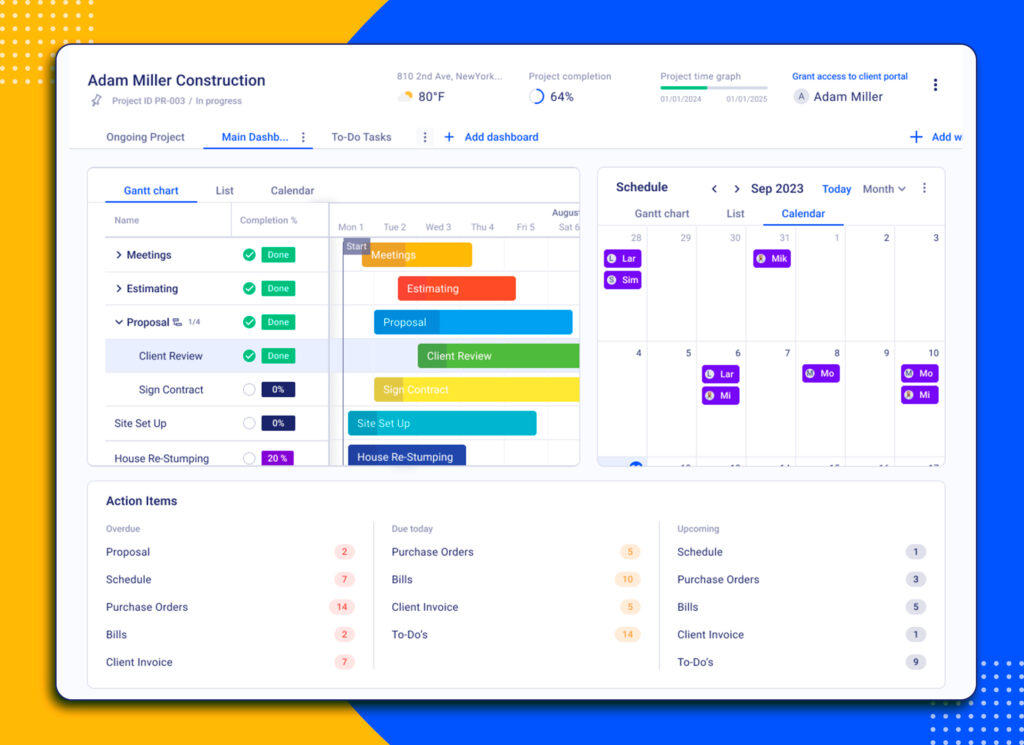
Construction managers work at a more granular level. They look at labor usage, material waste, equipment time, and day-to-day cost impacts. If a crew falls behind or a delivery changes the workflow, the construction manager sees the impact first and raises the signal if something will push the budget off track.
Communication and Stakeholder Management
Project managers talk with owners, architects, engineers, and consultants. Their communication covers expectations, schedule logic, design clarifications, and financial updates.

Construction managers talk to subcontractors, site crews, suppliers, and inspectors. Their conversations deal with what is happening right now: what gets installed, what needs to be fixed, and what needs clarity before the next step.
Schedule Management
Project managers shape the overall schedule. They set the milestones, decide how long each phase should take, and monitor the bigger picture.
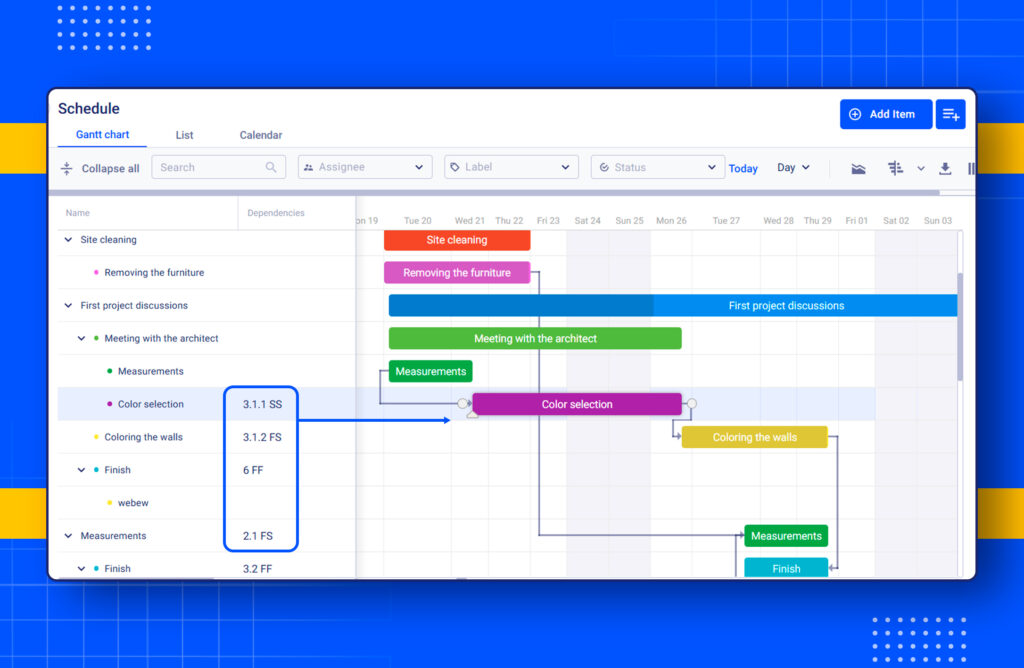
Construction managers run the daily sequence. They make sure the crews are in the right place, the site is ready, the materials have arrived, and the installation order matches the plan. If anything needs adjusting, they’re the first to reroute the day.
Change Orders / Variations
Project managers approve scope and cost change orders. They look at the contract language, check the budget impact, and prepare the official documentation.
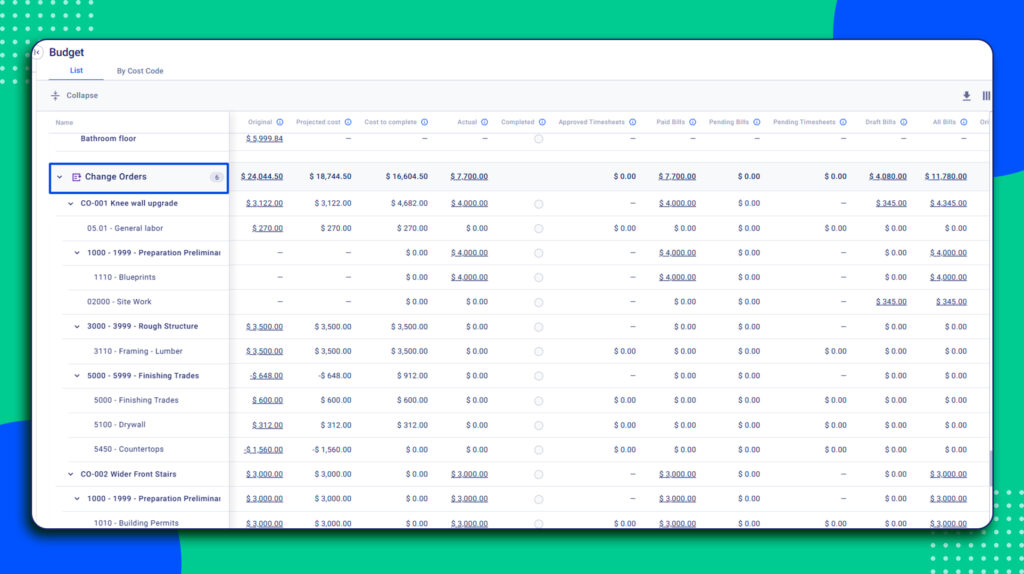
Construction managers flag issues early. They see something in the field that could create a change, gather the details and photos, and send the information back to the project manager before the work moves forward. Their input shapes the justification behind the change order.
Documentation Responsibilities
Project managers focus on the documentation that supports the overall project structure: financial reports, procurement logs, contract files, design communications, and high-level schedules.
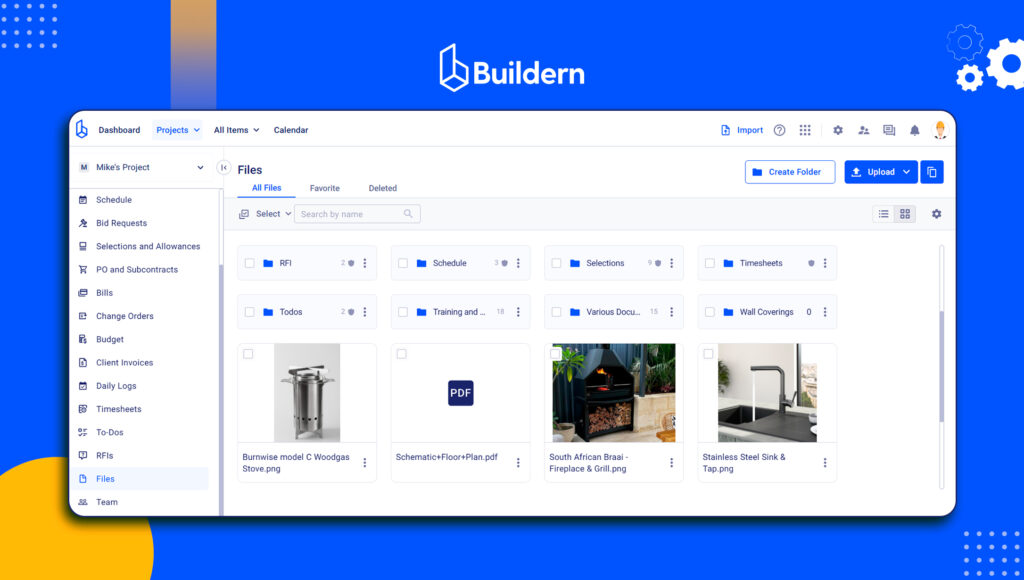
Construction managers handle daily reports. That includes site photos, daily logs, installed quantities, labor reports, safety documentation, and notes that show how the day progressed.
Risk and Quality Control
Project managers handle the broader risks, such as contract exposure, design gaps, and schedule impacts that could affect the entire job.
Construction managers handle the immediate quality checks in the field. They make sure installations match the specifications, help prepare for inspections, and keep the work aligned with the technical requirements.
How the Two Roles Work Together on Real Jobs
Project managers and construction managers work on different layers of the same job, and the handoff between those layers shapes how steady the project feels. When the two roles communicate well, the job moves with fewer surprises. When the communication breaks down, even simple tasks can turn into delays.
During preconstruction, the project manager is usually the one organizing the structure. They bring in the design details, owners’ expectations, contract requirements, and the early cost plan. At this stage, the construction manager often reviews the drawings for buildability.
Additionally, they flag details that might create installation issues, note sequencing risks, and advise on realistic durations. This back-and-forth helps shape a plan that can actually be executed in the field.
Once the construction phase starts, the center of gravity shifts. The construction manager takes over the daily work. They coordinate field workers, respond to field conditions, and track installments. The project manager monitors the larger picture in parallel, following budget movements, procurement status, and schedule milestones.
When something in the field starts affecting the contract or the timeline, the construction manager passes the information up so the project manager can adjust forecasts or prepare a formal change.
During closeout, the roles converge again. The project manager organizes the final documentation, contract closure, and financial wrap-up, while the construction manager pulls together as-built records, final inspections, and punch list progress. Closeout goes smoothly when both roles have kept solid records throughout the job.
💡They deal with different responsibilities, but neither role works well without the other. One keeps the project organized. The other keeps the work moving. Together, they create the conditions for a predictable build.
Which Role Do Contractors Need on Smaller vs Larger Jobs?
Contractors often ask where the line falls between the two roles and when it makes sense to split them. My answer depends mostly on project size, documentation volume, and how many decisions need to be made at the same time.
Small Residential Projects
On most small residential jobs, one person handles both roles because the work moves quickly and the documentation is simpler. The same individual might handle early budgeting, deal with the owner’s questions, prepare the schedule, and then shift to coordinating crews once the job starts.
It is a blended role that works when the risk is manageable and the site footprint is small. Even when the roles merge, the work still benefits from both types of thinking. The project manager’s mindset helps with budgeting, contracts, and the early planning logic. The construction manager’s mindset guides the day-to-day sequencing and communication with trades.
Mid-Size Commercial Projects
For mid-size commercial work, the responsibilities start to separate. The project manager focuses on design coordination, procurement timing, and documentation for the owner. Meanwhile, the construction manager keeps the installation side steady, manages subs, and handles the daily adjustments with dedicated commercial contractor software.
A practical setup on these projects often looks like this:
- The project manager runs the meetings with owners and architects.
- The construction manager runs the coordination with trades and inspectors.
Information flows back and forth throughout the week so that decisions in the office match what is happening in the field.
Splitting the roles at this scale helps maintain consistency. There is simply too much documentation and too many moving parts for one person to track everything without slowing the job down.
Large Multi-Stakeholder Projects
On large builds, the roles become fully distinct, and the communication between them becomes part of the project structure. The project manager handles multi-phase scheduling, design revisions, contract administration, and financial reporting. The construction manager oversees multiple crews, complex sequencing, and continuous field coordination.
These projects usually create clear escalation pathways. Field issues move from the construction manager to the project manager. Contract questions flow from the project manager back to the construction manager with guidance on how to proceed. Reporting becomes routine. Daily updates feed into weekly reviews, and those reviews feed into monthly forecasts.
With many stakeholders involved, separating the two roles avoids overload. Each side focuses on its own responsibilities, and the project benefits from a more predictable workflow.
Final Thoughts
- Project managers and construction managers focus on different layers of the same job. One handles the structure, contracts, planning, and owner-facing decisions. The other manages the daily work, the crews, and the reality of what gets built on site.
- Understanding the distinction helps contractors staff smarter, communicate more clearly with clients, and protect their budgets as the work progresses.
- Smaller projects can merge the roles, but larger jobs benefit from separating them so both strategic and field-level tasks receive the attention they need.

What Is the Main Difference Between Project Management and Construction Management?
Project management focuses on high-level planning, budgeting, and stakeholder communication.
Construction management converts those plans into field execution. One sets direction. The other drives installation, sequencing, and daily decisions that keep the job on schedule.
How Do Digital Tools Improve Coordination Between PM and CM Roles?
Shared documentation, synchronized progress tracking, real-time RFIs, and centralized cost visibility significantly reduce the misalignment that often occurs when planning and execution sit in separate silos, when both teams operate from the same source of truth, errors, rework, and schedule drift decline.
Do Small Contractors Need Both a PM and a CM?
Not always. On smaller projects, the same person often handles planning and execution. The difference is in the mindset: strategic budgeting versus hands-on site control. As projects grow in size and complexity, separating the roles reduces bottlenecks and limits cost overruns.