10 Construction Company Goals Leading to a Success in 2026


Updated November 2025
The construction industry remains one of the world’s most powerful economic engines. Global construction spending has now surpassed $13 trillion in 2025, with forecasts showing steady 4.3% annual growth through the end of the decade. These numbers highlight not only the scale of opportunity but also the intense competition every builder faces.
From my own experience, success in this environment doesn’t come from short bursts of activity. It is based on strategy, consistency, and clear priorities. Every builder I know who has built something lasting whether that’s a team, a firm, or a reputation started with one simple foundation: defined goals.
Setting measurable construction company goals keeps work predictable, teams aligned, and clients confident in the process. Clearly defining your construction company’s goals and having clearly defined construction marketing ideas is crucial to standing out and attracting new clients.
Table of Contents
- Build a Strong and Efficient Team
- Develop a Strategy
- Set and Follow Safety Standards
- Create a Succession Plan
- Take Care of Cybersecurity
- Deliver Consistent Customer Service
- Make Smart Business Decisions
- Properly Invest in Your Construction Business
- Implement Sustainable Practices
- Enhance Marketing Strategies
- KPIs for Construction: Brief Breakdown
- Bottom Lines

1. Build a Strong and Efficient Team
No tool or software can outperform a team that communicates well and knows what’s expected of them. Every success story I’ve seen in construction started with capable people who understand their craft. Therefore, I take hiring personally. Look for specialists who have proven themselves on similar projects, who respect deadlines, and who take ownership of their work.
But hiring the right people is just the beginning. I’ve learned that training, mentorship, and recognition carry equal weight. The goal is to give every team member the chance to grow, whether through safety workshops, software training, or role-based certifications. When people feel valued, they take pride in their work, and that quality naturally transfers to the final build.
💡Evaluate Communication and Teamwork from Within
Another way to maintain a strong team and reach success in construction is by having a healthy communication flow between the employees. It is crucial that all of the members of your team work together without confronting any major miscommunication issues.
Here’s how to evaluate whether your construction business is doing well on this task or not:
- Your employees communicate with each other during the project, which helps them understand how the process is going, some common problems and issues they face, and what remains to be done.
- After the project is completed, your employees can easily communicate with each other and see clear results. They examine the most common construction management challenges and difficulties, analyze the process and discuss what can be done better next time.
2. Develop a Strategy
Every company, no matter its size, needs a direction. My first step is always to define our mission and vision: what we stand for and where we’re heading. This gives meaning to everyday work and helps guide decisions when priorities compete.
When that’s done, you can develop an actionable plan to help you reach your construction company goals. Create metrics that will help you estimate how good your company is doing and celebrate whenever you witness significant growth.
Remember that one of the ways to follow your strategy is to divide it into smaller pieces. Create small, practical tasks that you can work on day by day and which, at the same time, help you reach your larger goals. Time management is key here, as you’ll fall behind without following your timeframes and milestones.
3. Set and Follow Safety Standards
Ensuring construction site safety is a must for all construction businesses. The construction site is known to be one of the most dangerous workplaces globally, with thousands of construction workers getting fatal injuries during work. Although it is impossible to ensure a 100% safe workplace, you should do your best to avoid accidents.
Here is what you should include in your safety plan:
- Safety training for your employees
- The potential risks that can happen during the project and how you can prevent them
- Workers’ compensation insurance
- COVID-19 prevention practices
And don’t forget to consult your employees when designing the safety plan, as they are the ones who actually work in the field and know all of the risks and accidents better.
4. Create a Succession Plan
The most stable companies are the ones prepared for change. Leadership transitions are inevitable, and a construction company with no succession plan risks losing its direction overnight. Therefore, you need to treat succession planning as a standing goal not a one-time event.
I document the structure clearly: who steps in for which roles, what knowledge needs to be transferred, and how responsibilities shift in emergencies. This transparency helps prevent panic when changes happen. It’s not about replacing people it’s about protecting the process.
I’ve also seen that involving future leaders early pays off. Allowing employees to take on gradual responsibilities trains them to handle management roles confidently when the time comes.
5. Take Care of Cybersecurity
Digital data is now as valuable as physical materials. With most contracts, bids, and drawings handled online, cybersecurity has become a front-line concern. Ensure every projet file, vendor document, and client record is stored in a secure document management system with permission-based access.
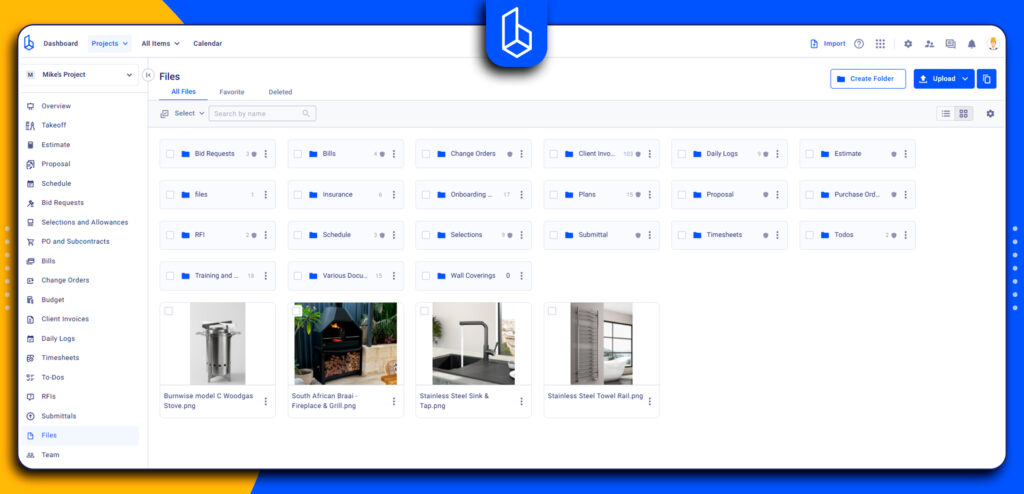
Routine vulnerability scans and staff training are part of the process. I also make it a rule to back up every dataset in multiple secure locations. This approach protects both the company’s integrity and client confidentiality two elements that take years to build but minutes to lose.
6. Deliver Consistent Customer Service
Clients judge construction companies not only by how the structure looks but by how the experience feels. I focus on communication as much as craftsmanship. From the first estimate to project handover, consider keeping the clients involved.
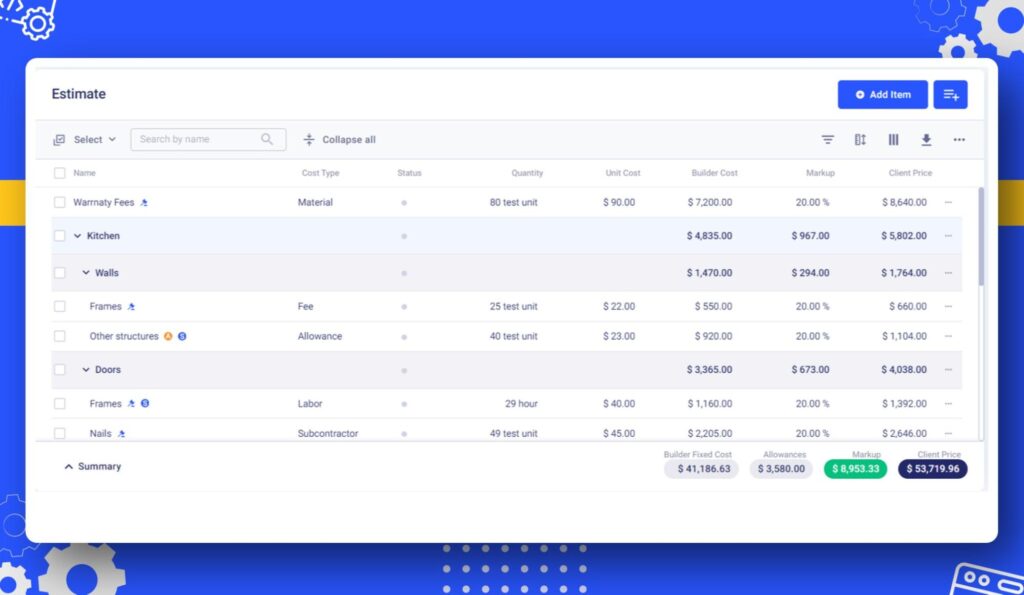
Even when something goes wrong, and it sometimes does, I’ve found that transparency is the best damage control. Explaining an issue early builds trust, while silence breeds doubt. Tools like Buildern make this easier. I let clients follow progress in real time, view budget updates, and comment directly on selections. It’s a practical way to avoid misunderstandings and show accountability.
Users view it as a platform that allows them to communicate successfully with all the project stakeholders, from the owners to the on-site workers. It helps contractors record and track everything from project completion percentages to invoices. And by inviting your clients to Buildern’s project dashboard, they can easily follow the project’s progress and get a clear picture of what is happening on their construction site.
7. Make Smart Business Decisions
Working with serious large projects is pretty tough. And that’s what you do, most of the time, if you own a construction business. So, you should be able to make the correct choices and decisions, as every one of your decisions has the power to either contribute to your project’s success or be the reason for its failure.
So, when making an important decision:
- Take your time
- Analyze all the angles and options
- Objectively assess your project needs
- Think long-term: keep your company’s future in mind
- Remember your construction company goals and aspirations
8. Properly Invest in Your Construction Business
Running a construction company means balancing reinvestment and profit. I dedicate a portion of each year’s earnings to continuous improvement upgrading tools, updating vehicles, and training staff. Technology adoption is another key area.
For me, platforms like Buildern simplify job costing, scheduling, and estimating, freeing up time for strategic work. A single database for all financials and schedules means fewer surprises and better visibility across departments.
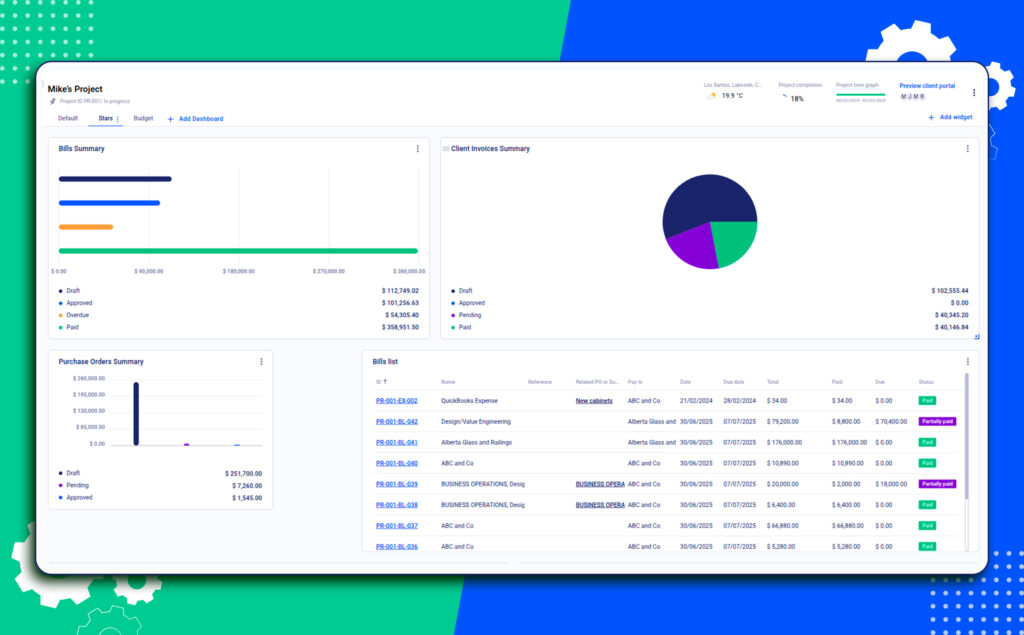
I see every investment as a way to make the company more self-reliant and efficient. The less we depend on reactive fixes, the more control we have over outcomes.
9. Implement Sustainable Practices
Integrate green practices wherever possible, from specifying recyclable materials to reducing job-site waste. Many clients now ask directly about energy-efficient methods or eco-friendly finishes, so adopting these standards gives my company a competitive edge.
Also track environmental performance through clear metrics. Measuring energy use, material waste, and water consumption helps me identify where improvements can be made. Environmentally responsible construction reduces long-term operating costs and enhances brand reputation.
10. Enhance Marketing Strategies
Even the best work can go unnoticed without visibility. I treat marketing as an ongoing process, not a campaign. Updating the company’s website, maintaining project portfolios, and engaging with clients on professional networks help showcase our expertise.
I’ve found that storytelling works better than sales language. Sharing case studies, behind-the-scenes photos, or before-and-after visuals resonates more with potential clients than generic promotions. Consistency is what builds credibility over time.
Find Your Top Priorities
Of course, it might change from business to business, but overall, there are mainly three ways construction owners spend their time.
Ask simple questions:
- Am I spending time on what drives the most long-term value?
- Will this task help me reach the company’s strategic goals?
- Can someone else handle this while I focus on leadership or relationships?
Learning to prioritize doesn’t mean doing less it means doing what matters first. For instance, construction dashboards make this easier by presenting clear data on costs, schedules, and workload, helping me decide where my time will have the biggest impact.
Another thing that can help you understand how to prioritize your goals is construction company KPIs. So let’s take a look at them.
KPIs for Construction: Brief Breakdown
Short for Key Performance Indicators, KPIs are a set of measurements used to assess the company’s long-term performance. They are mainly used to understand the company’s financial, strategic, and operational success compared to other companies in the same sector.
Using construction KPIs in the construction company comes with various benefits. They allow your construction business to assess precisely how successful the construction project has been. They are also a perfect tool for reaching your short-term financial objectives.
When it comes to KPI management, for any construction company, using the software can be one of the easiest solutions for defining and tracking construction company KPIs throughout the project.
5 Key Construction KPIs to Consider
1. Safety
If the construction site is safe, the possibility of unfortunate accidents decreases. Hence, the chance you’ll finish the project sooner and avoid extra costs is higher. Not to mention that ensuring your employees a secure and safe working field is simply a moral and ethical obligation.
So security measurements should be on the top of your list. Here are three crucial construction safety KPIs to keep an eye on:
- The rate of incidents
- The number of safety meetings
- The number of accidents per supplier
2. Quality Control
Overseeing the work and ensuring that high quality is maintained in every aspect of the project will help to reduce the chances of rework in the future. So it’s crucial to ensure the project follows all the quality requirements. Here are some construction company KPIs that can help you:
- The number of defects during the work
- The frequency of site inspections
- The amount of time dedicated to rectifying the defects
- The costs of the rework activities
- Internal customer satisfaction
3. Labor Productivity
When your employees are productive, the work gets completed faster and more efficiently. But how can you really estimate your workers’ productivity? Consider using these KPIs:
- The average revenue your construction business gets for every working hour
- Rate of the equipment downtime
- The amount of waste/recycling per job
- The percentage of labor downtime
4. Employee Satisfaction
If you find out that your employees are not productive in the workplace, it can be because of their lack of satisfaction with their work or the company. Measuring the level of employee satisfaction will help you understand if something is wrong with your company culture.
Employee satisfaction KPIs are:
- The number of training completed
- Turnover rate
- Worker satisfaction
5. Buyout Process
The buyout process begins when the general contractor wins a bid.
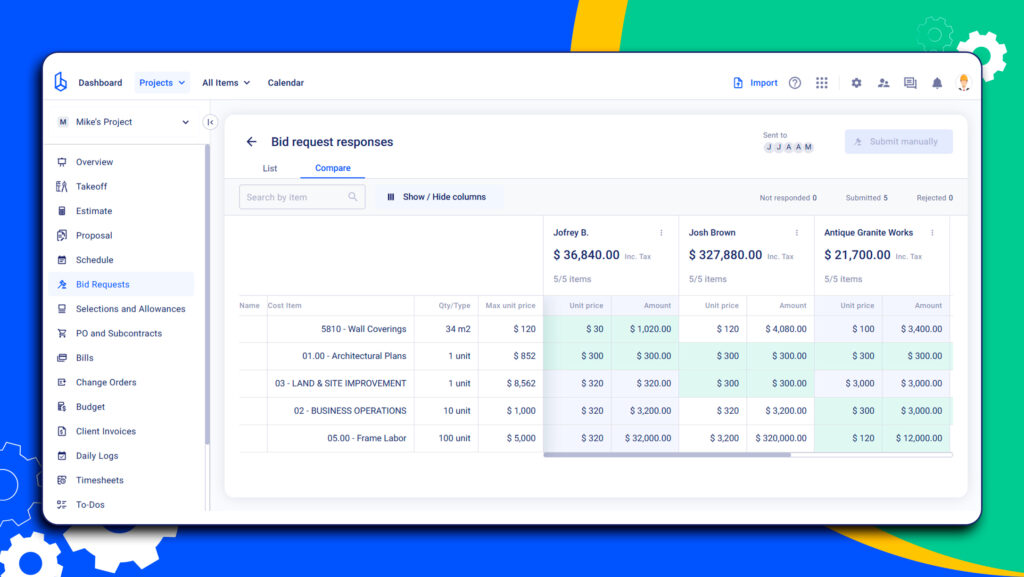
During this process, the general contractor determines the percentage of work bought and tries to monitor the buyout for potential issues.
The main KPI here is:
- The time between when the general contractor wins the bid and when the subcontractor buys out.
Bottom Lines
The ten essential construction company goals that I’ve listed in the article will help you reach success in construction and grow your business quickly. But keep in mind that although knowing your goals is essential, you should know how to develop strategies that will help your business reach them.
Don’t expect perfect. Focus on progress by improving communication, reducing waste, and reinforcing accountability across every level. Over time, these habits become the company’s culture, not just its goals.
1. How often should a construction company update its business goals?
I review mine quarterly, aligning updates with new market trends, costs, and company performance. Construction is a fast-moving field, so goals should evolve with the company’s pace of growth, helping you stay realistic, competitive, and ready to adjust before small issues turn into bigger ones.
2. What’s the easiest goal to start with for small construction firms?
Start with safety and communication. They require minimal investment yet deliver immediate impact. Strong safety practices reduce on-site risks, while clearer communication strengthens trust with both teams and clients. These two areas set the foundation for smoother operations and make bigger goals easier to pursue later.
3. Why are KPIs important in achieving construction goals?
Construction KPIs turn subjective opinions into measurable data, making it easier to track success, justify improvements, and motivate teams. With the right KPIs in place, teams stay aligned, motivated, and accountable to the company’s broader goals.