Construction Selections Simplified: 5 Tips to Streamline Your Next Project



Last updated January 2026
I have lost count of how many hours go into managing construction selections the hard way. Emails pile up, messages get missed, and a single choice for finishes or fixtures turns into weeks of back-and-forth. The problem is rarely the client. It is the lack of structure around how selections are tracked, approved, and updated.
But don’t treat selections as just design decisions. They affect pricing, ordering timelines, shipping costs, and the final budget. When those details live in emails, spreadsheets, or someone’s memory, mistakes are almost guaranteed.
Therefore, I’ve decided to share my own experience to show where most selection issues start, and why they quietly disrupt otherwise well-planned projects.
Table of Contents
- What Construction Selections Really Are
- Why Selections Break Projects
- 5 Tips for Managing Construction Selections Effectively
- Extra Tip: Track the Right Metrics for Better Outcomes

What Construction Selections Really Are
Construction selections are the decisions clients make about materials, fixtures, and finishes throughout a project. These include visible elements like flooring, doors, cabinetry, and hardware, as well as choices that affect performance, durability, and long-term maintenance. While selections often start as design conversations, they quickly turn into operational and financial decisions.
In practice, elections are also interconnected with construction allowances, which are estimates of the values for items that homeowners have yet to decide upon. A construction allowance is a predetermined fixed budget allocated to cover unexpected expenses or specific elements of the project. For instance, the client and the builder may agree on a construction allowance of $5,000, which can be further divided into categories to address various aspects of the construction process.
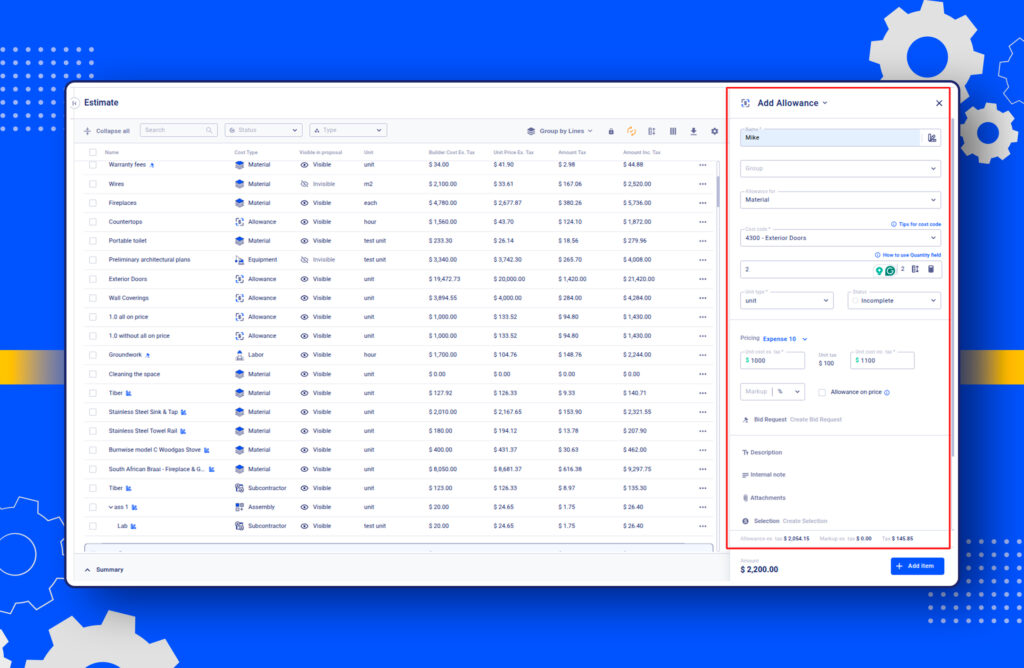
For example, a project may include a $3,000 allowance for doors. That figure does not represent a specific product, but a spending limit. Within it, the builder presents viable options that fit the budget, such as:
- Solid wood, fiberglass, or composite doors
- Finish and color options aligned with the overall design
- Hardware choices that affect both cost and functionality
This is where selections stop being abstract. Every choice either stays within the allowance or pushes beyond it, affecting the budget, timelines, and change tracking. When managed properly, selections give clients flexibility without losing financial control. When managed loosely, they become a quiet source of overruns and disputes.
Why Selections Break Projects
Selections rarely cause problems on their own. Issues usually come from how those decisions are communicated, tracked, and enforced over time. The breakdown starts when there is no clear structure around who decides what and by when.
Miscommunication loops are one of the most common root causes. Clients respond across emails, texts, and calls, while teams reference different versions of the same choice. Without a single, agreed record, selections drift, and approvals become unclear.
Another frequent issue is the absence of firm decision deadlines. When selections are treated as flexible or open-ended, they get pushed back, which delays ordering and forces last-minute compromises that affect both cost and quality.
Pricing also breaks down when selection updates are isolated from the budget. Allowances may look fine on paper, but individual choices introduce shipping, upgrades, or substitutions that are not reflected immediately. Add manual spreadsheet tracking to the mix, and small discrepancies compound into budget overruns that surface too late to fix.
5 Tips for Managing Construction Selections Effectively
Well-managed selections are not about taste or aesthetics. They are about timing, cost control, and accountability. When selections are handled with structure, projects move forward predictably. When they are not, small decisions cascade into delays and budget issues.
1. Set Clear Decision Deadlines
Every selection must have a defined deadline tied to the construction schedule. Without fixed decision points, selections remain open-ended, which delays ordering, disrupts sequencing, and forces last-minute substitutions.
Deadlines should be realistic and account for:
- Material lead times
- Manufacturing or customization periods
- Shipping and delivery windows
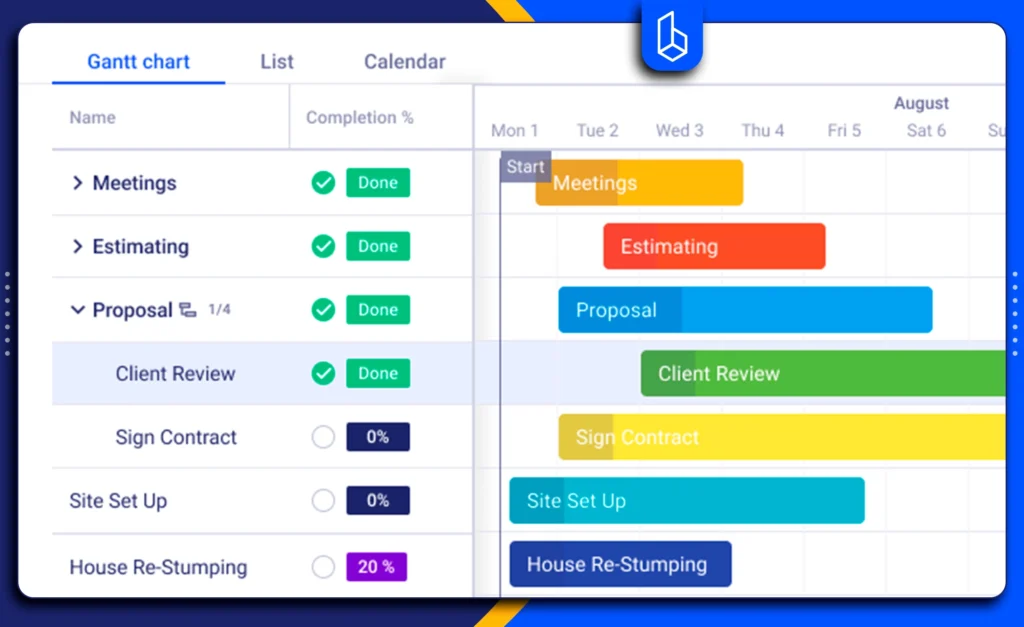
Make it clear to your clients that selections are not flexible preferences indefinitely. Choices must be finalized by specific dates to keep construction moving. Missing those deadlines delays decisions, work, and increases construction costs.
Regular updates on pending selections and upcoming deadlines help reinforce urgency and reduce friction. When expectations are clear, decisions happen faster and with fewer revisions.
2. Track Costs as Selections Are Made
Selections directly affect the budget, especially when allowances are involved. A selection that looks minor on its own can introduce additional costs through upgrades, freight, or installation changes.
Effective financial control requires:
- Clear allowance definitions during estimation
- Continuous comparison between allowance values and actual selections
- Immediate visibility into cost differences
As selections are finalized, cost adjustments should be reflected in the budget without delay. Any variance must be documented and addressed before it accumulates. This keeps homeowners informed and prevents uncomfortable surprises later in the project.
Relying on delayed updates or disconnected spreadsheets increases the risk of overspending going unnoticed until it is too late to correct.
3. Prioritize Quality and Long-Term Value
Selections should balance upfront cost with long-term performance. Lower-priced materials often lead to higher maintenance, earlier replacement, and client dissatisfaction after project completion.
Focusing on quality and sustainability delivers measurable benefits, like longer material lifespan, fewer post-project issues, and stronger client trust and referrals.
Clients may initially focus on price, but clear guidance helps them understand the long-term impact of their choices. Thoughtful recommendations strengthen the builder’s role as an advisor rather than just an order-taker.
4. Maintain Structured, Open Communication
Selections create stress when expectations are unclear. Early conversations should set the framework for how decisions will be made, documented, and approved.
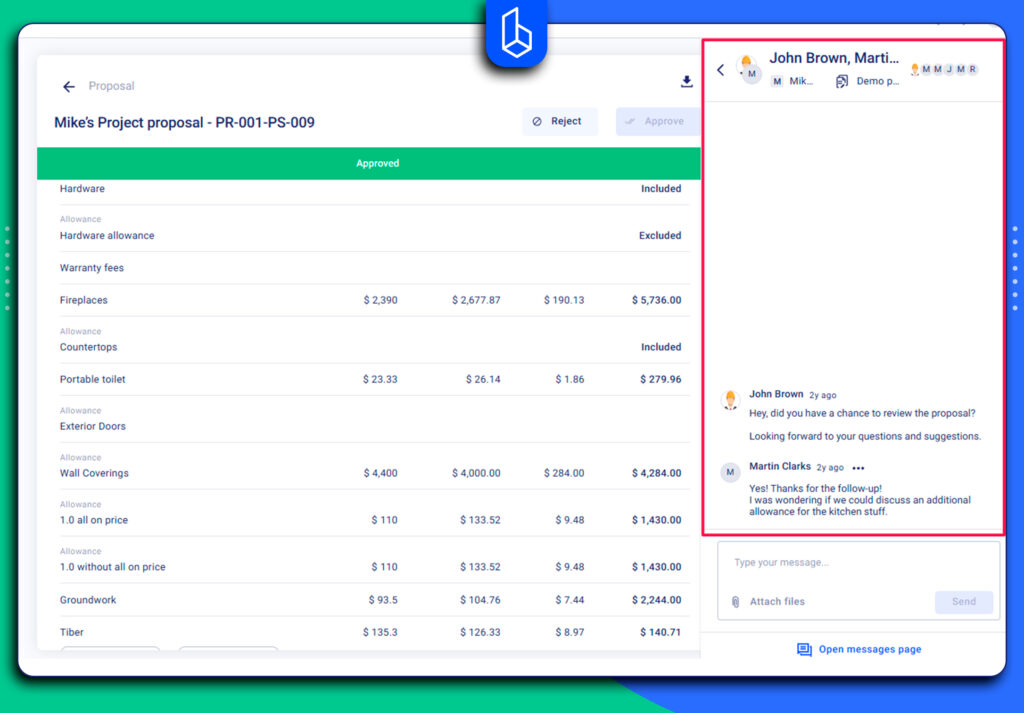
At the start of the project, align on:
- Budget boundaries
- Selection responsibilities
- Decision timelines
- Approval processes
Ongoing transparency matters just as much. Clients should understand where they are in the selection process, what decisions are pending, and how each choice affects cost and schedule. When clients understand the system and have access to a dedicated client portal, trust increases, and revisions decrease.
Use Digital Tools to Replace Manual Tracking
As projects grow more complex, manual tracking methods fail. Emails, PDFs, and spreadsheets lack version control and make it difficult to maintain a single source of truth.
Modern construction software allows teams to:
- Centralize selections and allowances
- Organize items by room or category
- Track approvals and revisions clearly
- Eliminate duplicate data entry
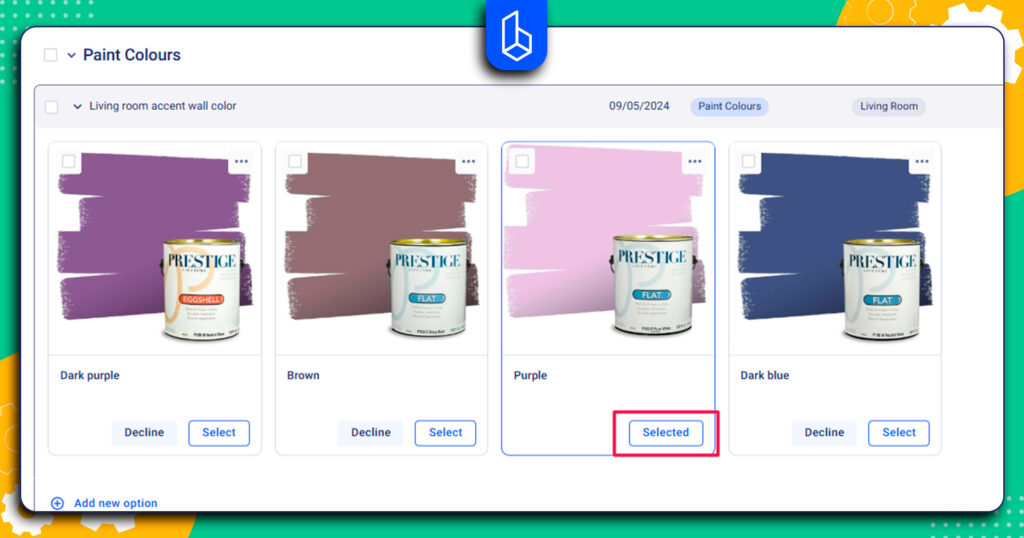
Digital workflows reduce errors, shorten decision cycles, and improve visibility for everyone involved. The goal is not automation for its own sake, but clarity and consistency across the project lifecycle.
Extra Tip: Track the Right Metrics for Better Outcomes
Selections are an inseparable part of construction project management, so knowing the areas to pay attention to makes the process more controlled. The following indicators are simple to monitor but reveal where selections are helping the project and where they are creating friction.
Selection Turnaround Time
This is the time between when a selection is presented and when it is formally approved. Long turnaround times usually indicate unclear deadlines, too many options, or slow client responses. Consistently short turnaround times signal that the selection process is clear and well-paced.
Percentage of Selections Over Budget
Knowing how often final selections exceed their original allowances helps builders refine estimating practices and keep budget expectations aligned with reality. A high percentage often points to unrealistic allowances or poor cost visibility during decision-making.
Number of Revision Cycles
Revision cycles track how many times a selection is changed before approval. Frequent revisions suggest unclear requirements, late-stage changes, or missing information early in the process. Fewer revisions usually reflect better upfront guidance and more confident client decisions.
Wrapping It Up
Selection issues rarely come from poor taste or indecision, but more often from a lack of structure. When deadlines are vague, costs are disconnected from choices, and approvals live in scattered messages, selections quietly undermine otherwise solid projects.
Well-run selection processes are built on a few fundamentals:
- Decisions are time-bound
- Costs are visible as choices are made
- Every approval is clearly recorded
This creates momentum instead of friction and replaces reactive problem-solving with steady progress. Only with a defined workflow, your client selections will stop being a recurring source of risk and will become a predictable, manageable part of delivering a project on time and within budget.
How Detailed Should Allowances Be During Estimation?
Allowances should be specific enough to reflect realistic market pricing, not broad placeholders meant to be adjusted later. Vague allowances increase the likelihood of overruns once real products are selected. Builders benefit from breaking allowances into logical categories and setting expectations about what is included and what is not. The more clarity provided at estimation, the fewer surprises appear during selections.
What Is The Best Way to Handle Construction Selections That Go Over Budget?
When a selection exceeds its allowance, the cost difference should be identified and communicated immediately. Delaying that conversation allows overruns to accumulate and creates tension later. Clear documentation, timely approval, and prompt budget updates keep the process transparent and reduce disputes. Addressing variances as they happen protects both the builder and the client.
When Should Construction Selections Be Finalized in a Project?
Finalize selections before the work they affect is scheduled to begin, and materials need to be ordered. In practice, this means tying selection deadlines directly to procurement lead times and construction milestones, not to general project phases. Late selections often force rushed ordering or substitutions, which increases cost and risk. Clear deadlines early in the project reduce delays and allow builders to plan labor and sequencing with confidence.