


Updated on November 28, 2025
It takes a lot of effort and time to start a construction company. But the most challenging part is to keep it.
If you’re new to the industry, finding clients and getting your first construction projects can be tricky, as your company doesn’t have enough reputation or well-defined construction marketing ideas.
But even if your company has been working for years, sometimes loyal customers might disappear, and you may have a hard time finding new ones. This can happen if you’re so caught up in your construction work that you don’t have time to focus on your company’s marketing efforts.
Whatever it is, finding ways to attract and keep clients in construction is one of the problems in the industry.
In my blog article, I will define the different types of clients in construction, how you can learn to attract them and make them stay with you for a long time.

Table of Contents
- Types of Construction Clients
- Ways to Attract and Keep Clients in Construction
- Detailed Marketing Strategy to Win Clients
- Role of Construction Team
- The Power of CRM in Construction
- Construction Customer Satisfaction
- Bottom Line
Types of Construction Clients
Let me start by describing the different types of construction clients you may encounter. Every client has unique expectations, preferences, and pain points.
First, let’s define what we mean by “construction client.” In the construction industry, a client is rarely an individual. Most of the time, it will be an organisation or a group rather than a single person.
Clients in the construction business can be divided into two main parts: commercial and residential clients.
Commercial Clients
Commercial clients are businesses, organisations, or institutions that commission construction projects for operational, investment, or development purposes, not for personal use.
Some of their responsibilities in a construction project can include:
- Providing complete pre-construction information, including project requirements, site data, and compliance expectations.
- Ensuring proper health and safety measures, either directly or through appointed representatives.
- Overseeing project progress, monitoring timelines, budgets, and deliverables at a high level.
- Confirming that the construction company has a well-defined project plan, including risk management, scheduling, and quality control processes.
Some examples of commercial clients include:
- Developers
- Retail companies
- Corporate property owners
- Educational institutions
- Healthcare organizations
Common examples of commercial construction projects include office buildings, schools, hospitals, retail stores, warehouses, hotels, and mixed-use developments.
Commercial clients typically require work on larger-scale, more complex, and regulation-heavy projects. As a result, the client management process is more structured and involves multiple decision-makers. Project plans may evolve based on permits, stakeholder requirements, or market conditions, so flexibility and clear communication are essential to maintaining alignment throughout the project.
Residential Clients
Those are individuals who need construction work for their homes or the homes of their family members. In other words, their construction project is not connected with any business needs.

Domestic clients are always individuals who need the construction project for their homes and other places of residence. Compared with commercial clients, the client management process with domestic clients is usually smooth, as the project is relatively smaller, so it’s easier to keep it under control.
Ways to Attract and Keep Clients in Construction
Now that we’ve defined the two main types of clients in construction, let’s figure out how your company can attract them. I know it can be hard sometimes to find new clients, but following some of our tips below will be less overwhelming. So here are a couple of steps you can take to attract clients sooner and improve your brand recognition.
Build and Keep Your Company’s Reputation Online

In the old times, people built a reputation for their business through word of mouth. But times have changed, and although word of mouth is still key for a successful business, creating and maintaining a brand takes way more effort.
Today, most of your branding goes on in the digital world. Not having a professional website for your construction company means losing thousands of potential customers. So when you’re starting to work on your brand awareness, your central messaging and philosophy should be seen and portrayed on your business website.
Here are some practices to have the right website:
Work on Your Website Design and Keep It Updated

Website design and copywriting go hand in hand. If you want to make a good first impression on your potential clients, you should attract them with words, images, and a properly designed page.
By saying “properly designed page,” I mean both the UI and the UX. It should be easy for your clients to navigate your page and find what’s where. Otherwise, they will be confused too quickly and leave your website.
So make your professional page look and feel good. Avoid overstuffing it with too much information, but ensure you give enough details to convince them.
And don’t forget to be aware of the latest web design trends and strategies: the last thing you want is a website that looks old and doesn’t feel trustworthy enough.
Manage Your Online Reviews
The statistics say that over 81% of consumers say they are likely to check Google reviews first, just as much as they trust the personal recommendations from someone they know. If you want to create strong brand awareness, you should ensure that your customers share their positive experiences with your company by leaving reviews.
At the same time, if something in your construction project goes wrong, try to communicate with your customers and solve the problems.
Develop and Maintain Quality Content
Remember that your audience is looking for quality content that will be informative, useful, or entertaining. So work seriously on your content creation by offering them information that would prove that you’re an expert in the field.
Good content will also be shared more easily, which will lead to more website traffic and interaction.
Detailed Marketing Strategy to Win Clients
When you build your online presence and establish your brand image online, it’s time to make it visible to all the potential clients in the construction industry. Construction marketing is a tool to use here.
Here are some tips for a better marketing and customer experience:
1. Develop a Strong SEO Strategy
SEO is one of the main ways to ensure your visibility on SERPs (Search Engine Result Pages), helping your website’s organic traffic grow. Here’s a scenario. Imagine one of your potential residential clients is planning to build a house, but has no idea how to start or which construction company to choose. So he searches for “construction companies in Florida”.
Suppose your company is based in Florida. It will be your chance to appear in your potential client’s searches and persuade them to choose your company. To appear in search results, you need include the right keywords, optimise your page speed, take care of link-building, and follow other SEO practices to have the chance to pop up on the first page of Google.
And most importantly, SEO takes time. You can’t write hundreds of blogs at once and then expect them to improve your website’s SEO ranking magically. However, when you do give it enough time and patience, it will be extremely rewarding for your company. After all, SEO can serve as the ultimate answer to your question, “How to find clients in construction?”A construction project management tool usually has all the necessary features to help you manage your construction projects efficiently and effectively.

2. Start a PPC Campaign
Now, if you actually go on and search “construction companies in Florida,” you’ll see that the first searches that come up are actually paid searches. If you see the small Ad sign near the search result, it means that the company has paid to appear at the top of the search result.
Using Google Ads is a great way of attracting clients in construction before you start receiving leads or a lot of organic searches from your SEO strategy.
3. Write a Blog
If you want to rank high, you need to start a blog, and that’s something that all the SEO specialists will agree on. Writing a blog helps you to answer your client’s questions and gives you a space to use all the right keywords that can help you rank higher on SERPs.
It can also help you get lots of backlinks, which is also an essential factor for SEO. HubSpot’s study showed that websites that have a blog have 434% more indexed pages. Having backlinks, in turn, can help you increase your domain authority and contribute to an increase in your traffic.
4. Email Marketing
Keeping clients happy in construction isn’t easy. They can quickly switch companies if they see that the competitor offers better services.
So, make sure you use email marketing to keep them updated about your new services, success stories, and everything else that will remind them why they’ve made the right choice when choosing your company.
5. Word of Mouth
The term positive word of mouth is self-explanatory. If your clients talk well about your company and share their positive experiences with others, it will naturally boost your company’s reputation and help you get new clients.
For this one, your main task is to organise different marketing frameworks where your customers can interact with each other or with other interested clients.
However, the primary way of getting positive word of mouth is simply offering quality services and doing your job right!
7. Keep in Touch
Maintaining regular communication with clients isn’t just about project updates; it’s a powerful marketing strategy that builds trust and strengthens your brand reputation. Quick and consistent responses show clients that you value their time and input, which increases satisfaction and encourages repeat business.
Beyond individual projects, staying in touch through newsletters, project case studies, or personalised check-ins can generate referrals and showcase your expertise to potential clients. In short, effective communication helps attract new clients, retain existing ones, and grow your construction business.
Role of Construction Team
The quality of your services depends directly on the people you work with. Regularly monitoring and supporting your staff, subcontractors, and vendors ensures projects run smoothly, deadlines are met, and clients remain satisfied.
Managing Subcontractors Effectively
Subcontractors play a critical role in project success. To maintain high standards:
- Set clear performance expectations for key tasks and monitor progress regularly.
- Evaluate work consistently and assign a responsible employee to oversee these evaluations.
Reward excellence to motivate continued high performance, while addressing issues promptly to prevent risks to the project.
When selecting subcontractors, use multiple sources to find the best talent: ask past or current partners for recommendations, request references from homeowners, and explore relevant social media groups or forums.
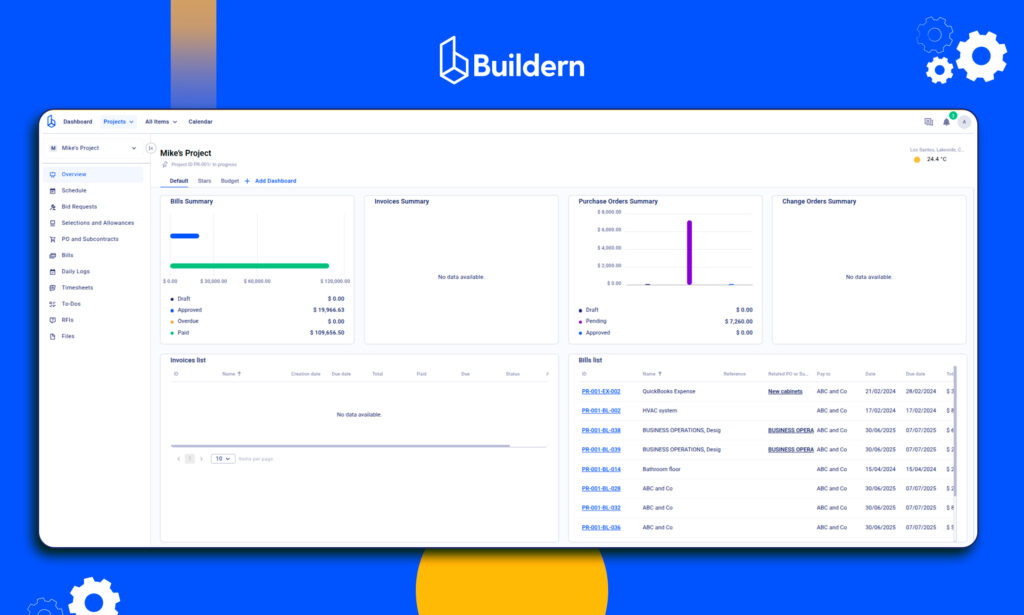
Once onboard, use tools like the subs and vendors portal to maintain transparency and recognition. Skilled subcontractors who feel valued are more likely to return for future projects.
Building Strong Vendor Partnerships
Vendors provide the materials that make your work possible, so choosing reliable partners is essential. To find new vendors, seek referrals from trusted out-of-town construction companies and attend trade shows to discover potential partners. Bid levelling in the construction software is a helpful practice when it comes to vendors and subcontractors.
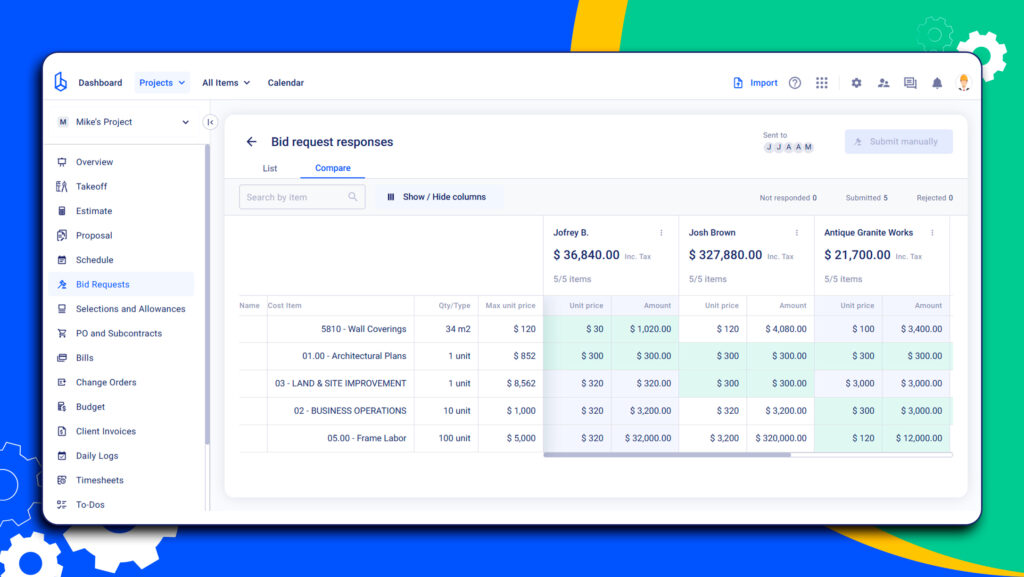
Once a vendor is chosen, maintain collaboration by providing constructive feedback regularly and maintaining a holistic view of the supply chain. Transparency and communication help avoid delays and ensure quality materials reach your projects on time.
The Power of CRM in Construction
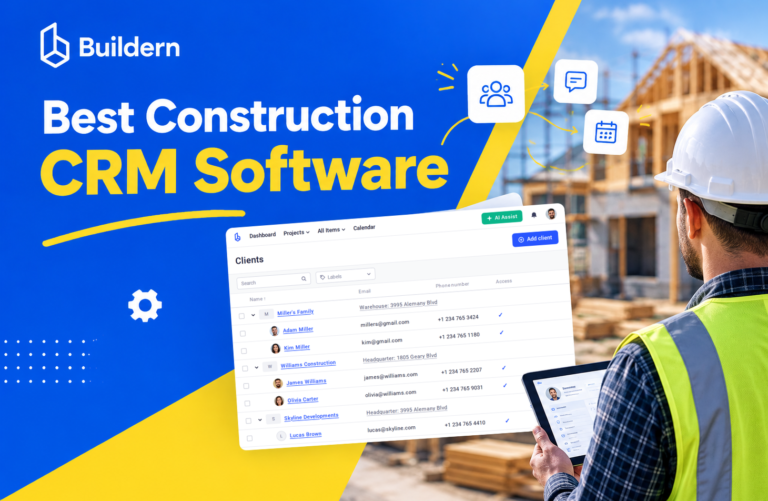
Attracting and retaining clients in the construction industry demands effective communication and personalised service, something that CRM software gives.
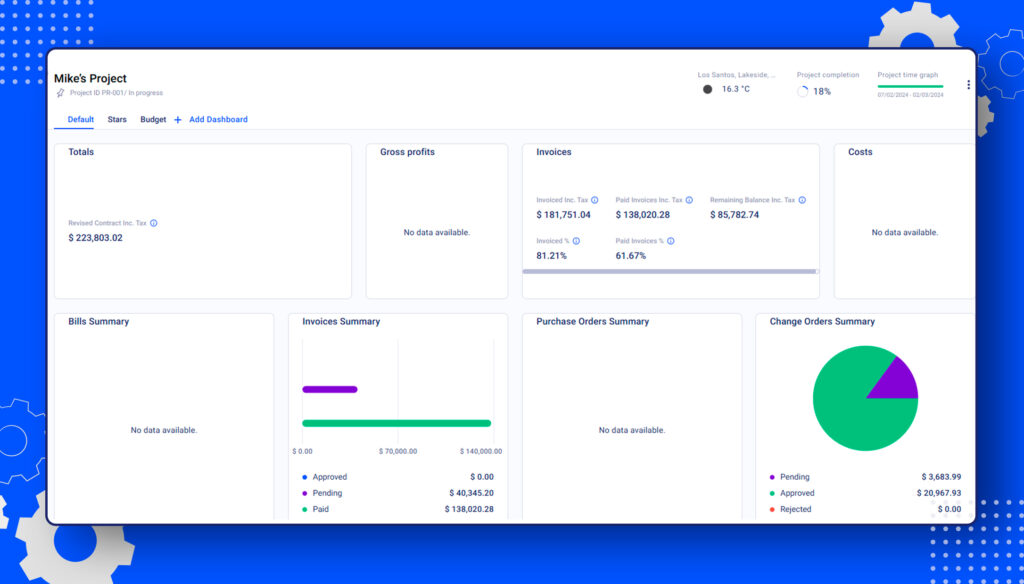
The construction management software empowers builders to be highly responsive and proactive in addressing client inquiries and concerns. By promptly addressing their questions, providing solutions, and keeping them up-to-date with the construction project’s progress, you showcase your dedication to excellent customer service.
Client Data
Another standout aspect of CRM tools is their ability to organise and manage client data efficiently. Keeping all client-related data within a single platform keeps information accessible and well-organised.
From contact details to project preferences, communication history, and any specific requirements, the CRM streamlines data management, making it easier for your team to respond to individual client needs effectively.
Moreover, you can access and update project details, timelines, and budgets seamlessly through a centralised system. This streamlined approach optimises team management and project execution, ensuring smooth operations.
Construction Customer Satisfaction
Customer satisfaction has been linked to positive customer behaviours like long-term loyalty or purchase intentions. If you secure complete customer satisfaction, you’ll end up having loyal clients in construction who can be your source of long-term financial security.
But how do you keep your clients satisfied? Well, here are our main tips for each stage of the project!
Before the Start of the Project
As I have already mentioned below, you shouldn’t promise more than you can deliver. The key to keeping clients happy in construction is ensuring that they get what they expect. So make sure there is no misinformation in the initial stages of the project and thoroughly communicate exactly what your construction plan is and how you will achieve it.

During the Project
Ensure transparency throughout the project by constantly updating your clients on what stage the project is and how it’s progressing. Provide them with visual proof so that they can feel that you are talking facts.
You can do it with construction software, which will also allow you to manage construction clients, assess and oversee the tasks, and help your team stay focused.
With the software, each team member can have their input in progress by setting realistic deadlines and company goals that they know they can reach. It will help the project managers to improve teamwork by giving enough independence to each team member.
Still, ensure that deadlines are met, and the work’s quality is not sacrificed to avoid construction rework later.
Here are some helpful features of construction management software for monitoring the project, managing construction documents, reporting changes, and ensuring customer satisfaction:
- Connect all your vendors, subcontractors, sales, and accounting teams, or your entire staff under one digital platform, and sync them together.
- Ensure project transparency to your clients in construction with the user management tool.
- Manage the pre-sales processes and keep efficient communication with your existing and new leads.
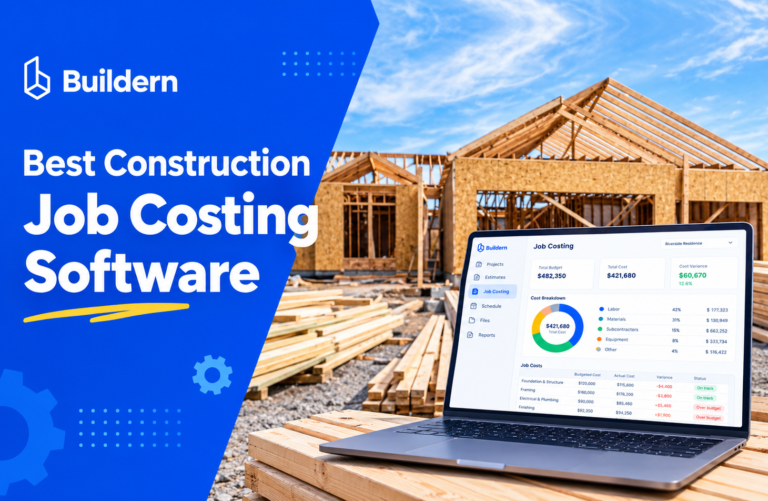
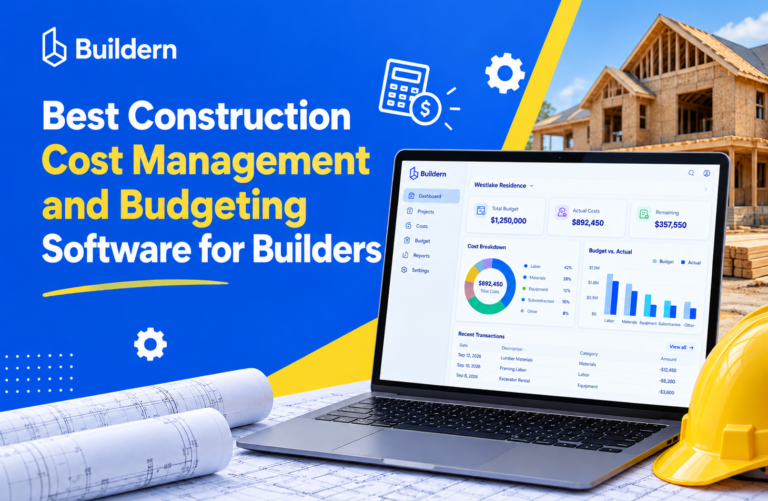
- Take care of financial aspects by managing the project costs and including the accounting processes in your project management workflow.
Once the Project Is Completed
Client satisfaction doesn’t end when the final inspection is signed off. In fact, the post-completion phase is just as important for building long-term relationships and a strong reputation.
Staying engaged with clients shows that you care about their experience beyond the immediate project. Reach out to ensure they are fully satisfied with the work and offer guidance on any maintenance or operational questions they might have.
When clients feel supported, valued, and confident that you will be there even after the project ends, they are far more likely to come back. They will most probably recommend your services to others, turning a completed project into a long-term business relationship.
Bottom Line
Construction companies that truly understand their clients’ needs and deliver tailored solutions stand out in a competitive market. Using tools like CRM software helps manage client relationships more effectively and streamlines operations to make projects smoother and more efficient.
Prioritising communication, responsiveness, and proactive support transforms satisfied clients into long-term partners. In an industry that is highly competitive, companies that combine expertise, innovation, and a commitment to client success are best positioned to win more projects.

What Are the Types of Clients in Construction?
Construction clients are generally divided into two main categories. There are commercial clients, such as businesses and institutions, engaged in large-scale projects. and residential clients, who require construction work for their homes.
Why Is Client Communication Important in Construction Projects?
Clear and consistent communication helps manage expectations. If a contractor maintains transparent communication with the client, it prevents misunderstanding and ultimately improves client satisfaction.
How Can Construction Companies Attract New Clients?
Construction companies can attract new clients by combining traditional marketing, word-of-mouth referrals, and modern technology. Word-of-mouth remains one of the most powerful tools in the industry, and a strong online presence helps in showing expertise.